


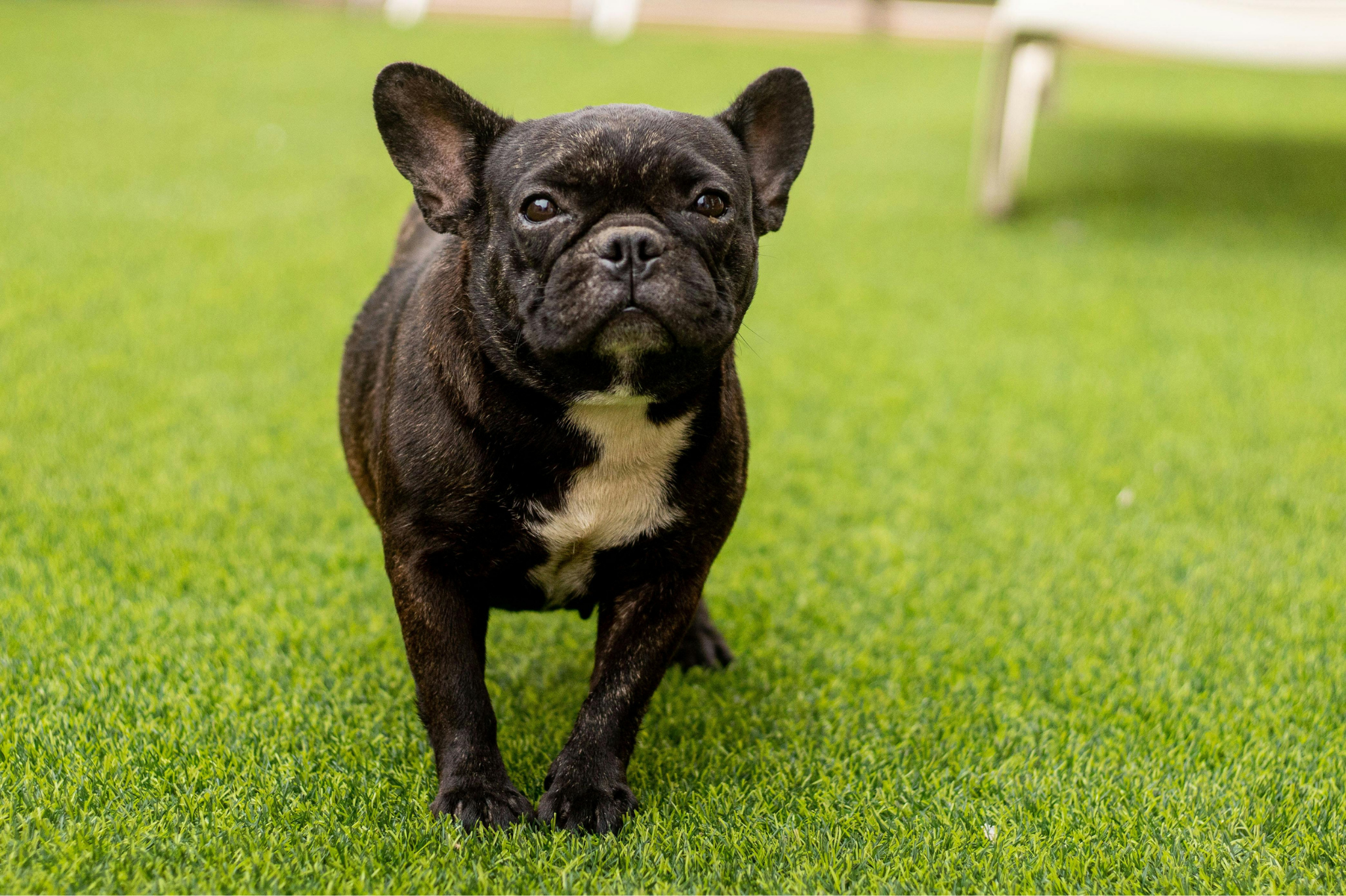
Your dog can’t tell you when something feels off, but they may be showing you in ways you haven’t noticed yet.
Maybe your usually energetic pup has been sleeping more than usual. Maybe they’ve suddenly become picky about food, started licking their paws constantly, or seem a little less interested in their favorite activities. These changes can be easy to brush off, especially when life gets busy.
But sometimes, changes in your dog’s behavior are the first signs that something deserves a closer look.
At Houndestly, we believe being a great dog parent starts with knowing your best friend. Here are seven changes to watch for and when it may be time to call your veterinarian.
1. Your Dog Is Eating Less Than Usual
A missed meal doesn’t always mean something is wrong. Stress, changes in routine, and even hot weather can affect your dog’s appetite. However, a sudden loss of appetite can also be associated with dental pain, digestive problems, or other health conditions.
Pay attention if your dog refuses food repeatedly, struggles to chew, or seems interested in food but walks away after a few bites.
Houndestly tip: Keep track of changes in appetite, drinking habits, and eating behavior. If your dog refuses food and seems unwell, contact your veterinarian promptly.
2. They’re Sleeping More or Acting Differently
You know your dog’s personality better than anyone. If your playful pup suddenly seems withdrawn, unusually tired, restless, or less interested in walks, it’s worth paying attention.
Lethargy in dogs can have many causes, ranging from a busy day to pain or illness. Look for other changes, too, such as difficulty getting comfortable, reluctance to climb stairs, or less interest in playtime.
If the change is sudden, persistent, or accompanied by other symptoms, check with your veterinarian.
3. Your Dog Is Licking or Scratching Constantly
Occasional scratching is normal. Constant itching, paw licking, chewing, or rubbing against furniture is another story.
Persistent itching in dogs can be associated with allergies, fleas, skin irritation, or infection. You may also notice redness, hair loss, flaky skin, or an unpleasant odor.
Check your dog’s paws, ears, and coat for visible irritation, but avoid applying human creams or medications without veterinary guidance.
If your dog is scratching enough to damage their skin or seems uncomfortable, schedule a veterinary visit.
4. Their Breath Suddenly Smells Different
Dog breath isn’t always pleasant, but a sudden or persistent change in odor deserves attention.
Bad breath in dogs can be linked to plaque buildup, gum disease, or other dental problems. Look for additional signs, including red gums, drooling, difficulty chewing, or dropping food.
Regular toothbrushing with dog-safe toothpaste and routine veterinary dental checks can help support your dog’s oral health.
If the odor changes suddenly or comes with other symptoms, don’t rely on dental treats to solve the problem. Have your veterinarian evaluate it.
5. They’re Drinking More Water or Having More Accidents
Has your dog started emptying the water bowl faster than usual? Are they asking to go outside more frequently or having accidents indoors despite being house-trained?
Changes in thirst and urination can occur for several reasons, including changes in activity or temperature. They can also be associated with medical conditions that require veterinary attention.
Don’t restrict your dog’s access to water to reduce accidents. Instead, note the changes and discuss them with your veterinarian, particularly if they persist.
6. Your Dog’s Stomach Seems Upset
Vomiting, diarrhea, gas, and changes in stool can happen when dogs eat something unusual or experience a digestive upset. However, recurring digestive symptoms shouldn’t automatically be dismissed as a sensitive stomach.
Pay attention to how often symptoms occur, whether your dog is eating and drinking normally, and whether their energy level has changed.
Repeated vomiting, bloody stool, significant weakness, or an inability to keep water down warrants prompt veterinary attention. A swollen abdomen with repeated unsuccessful attempts to vomit is an emergency.
7. They’re Hiding, Whining, or Avoiding Touch
Some dogs become quieter or more withdrawn when they’re uncomfortable. Others may whine, pace, hide, growl when touched, or suddenly avoid activities they usually enjoy.
These behavior changes don’t necessarily mean your dog is sick, but pain and discomfort can affect how dogs interact with their families.
Never punish a dog for suddenly resisting touch. Give them space, observe what seems to trigger the reaction, and contact your veterinarian if the behavior is new or unexplained.
How to Tell When Your Dog Needs a Vet
You don’t need to panic every time your dog behaves differently. The key is recognizing what’s normal for your pet and noticing meaningful changes.
A few helpful habits can make a difference:
- Know their baseline. Pay attention to normal eating, drinking, sleeping, bathroom habits, and energy levels.
- Look for patterns. Write down when symptoms began and how often they occur.
- Take photos or videos. These can help your veterinarian understand changes in skin, movement, or behavior.
- Don’t wait on emergencies. Difficulty breathing, collapse, seizures, suspected poisoning, or severe pain require immediate veterinary attention.
When in doubt, contact your veterinarian for advice rather than trying to diagnose your dog at home.
A Little Extra Attention Goes a Long Way
Your dog communicates through everyday habits, body language, appetite, energy, and behavior. Learning what’s normal for your best friend can help you recognize when something changes and take action sooner.
You don’t have to notice every little thing perfectly. Just paying attention, asking questions, and seeking veterinary guidance when needed can be an important part of responsible dog ownership.
Because a healthier, happier dog starts with someone who knows them best.
That’s what being Houndestly is all about.
Disclaimer: This article is for general educational purposes only and is not a substitute for professional veterinary advice, diagnosis, or treatment.

The Illusion of Ownership
We built walls and borders, claimed mountains and oceans, and called them ours. But ownership was always an illusion — the earth cannot be possessed, only shared. Every piece of land we’ve named belongs to a rhythm older than any human map.
The wild doesn’t miss us — it remembers how to be without us.
The Pause That Changed Everything
When the world slowed down — when planes stopped flying, and streets fell silent — something extraordinary happened. Skies turned blue again. Birds returned. Rivers cleared. It was as if nature had been holding its breath, waiting for a moment of quiet to heal itself.
Learning to Belong, Not to Dominate
Maybe our role was never to dominate, but to belong. To live not above nature, but within it. The more we let go of control, the more we realize we’re part of something vast, intricate, and alive — a world that continues beautifully, with or without us.
Relearning the Art of Coexistence
The lesson isn’t about guilt, but humility. To coexist means to listen — to walk softer, to consume less, to remember that beauty doesn’t need our permission to exist. When we finally return, maybe it shouldn’t be to reclaim, but to rejoin — not as conquerors, but as part of something vast and breathing.
Conclusion
When nature stops waiting for us, it’s not an ending — it’s an awakening. The forests will grow, the rivers will sing, and the world will continue its rhythm. The question that remains is whether we’ll learn to walk in tune with it again.

