


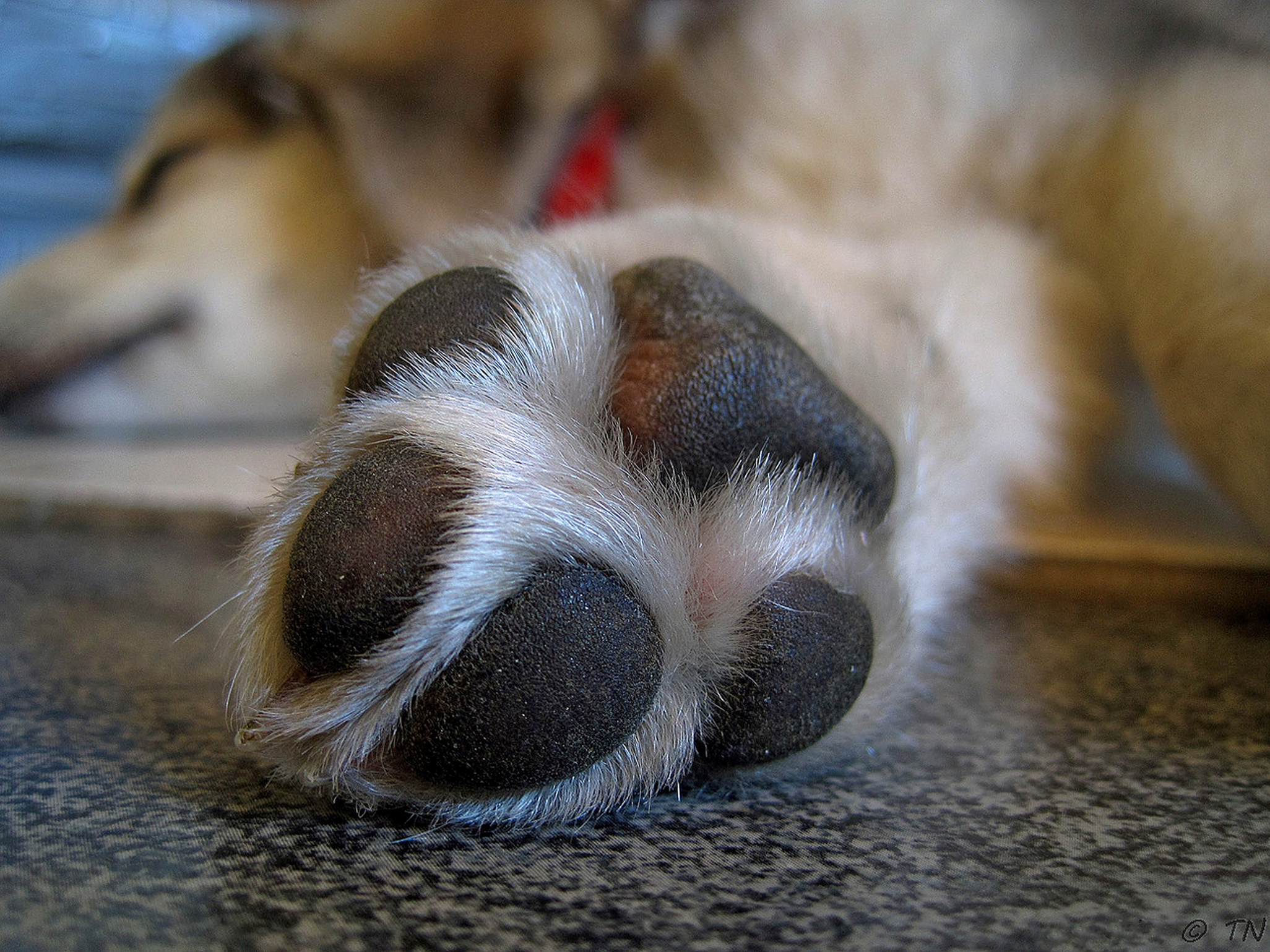
You look over at your dog and there they are again: licking, nibbling, or chewing their paws like it’s their new favorite hobby.
At first, it might seem harmless. Dogs lick themselves to groom, after all. But when paw licking becomes a daily habit, keeps your pup awake, or leaves their feet red and irritated, it’s worth paying attention.
So, why do dogs lick their paws so much? The answer can range from a little irritation after a walk to allergies or an underlying skin problem.
Let’s take a closer look at what your dog might be trying to tell you.
1. Seasonal or Environmental Allergies
One common reason for persistent paw licking is allergies.
Dogs can react to environmental triggers such as pollen, grasses, dust mites, or mold. Some dogs develop itchy skin that affects their paws, ears, belly, and face.
You might notice your dog licking all four paws, rubbing their face, scratching their ears, or developing red skin.
What can help? After walks, gently wipe your dog’s paws with a clean, damp cloth and dry them thoroughly. If the itching continues, your veterinarian can help determine whether allergies are involved and recommend appropriate treatment.
2. Something Is Irritating Their Paws
Think about where your dog has been walking lately.
Hot pavement, rough surfaces, lawn treatments, road salt, cleaning products, and other irritants can bother sensitive paw pads.
Check for redness, cracks, swelling, or debris caught between the toes. If your dog suddenly starts licking their paws after a walk, inspect them gently.
Rinse off possible irritants with clean water and dry the paws. If you suspect a chemical exposure, contact your veterinarian for advice rather than experimenting with home remedies.
Remember, pavement can become hot enough to injure paw pads even when the air temperature feels comfortable.
3. A Small Injury Could Be Hiding Between Their Toes
Dogs can pick up tiny thorns, splinters, grass awns, or other debris during outdoor adventures.
A damaged nail, cut, or sore paw pad may also cause repeated licking.
If your dog focuses on just one paw, especially if the licking started suddenly, check for visible injuries without forcing the paw open if it hurts.
Limping, swelling, bleeding, or significant pain warrants veterinary attention. Don’t dig into the paw to remove an object that is deeply embedded.
4. Yeast or Bacterial Skin Infections
Persistent moisture and inflammation can create conditions in which yeast or bacteria contribute to skin infections.
Signs may include red skin between the toes, an unusual odor, greasy or discolored fur, swelling, and ongoing itching.
Licking can make the irritation worse, creating a frustrating cycle: itchy paws lead to licking, and licking further damages the skin.
If you notice these signs, book a veterinary appointment. The right treatment depends on the cause, so avoid using leftover medication or human antifungal creams without veterinary guidance.
5. Dry, Cracked, or Sensitive Paw Pads
Your dog’s paws take a lot of wear and tear. Rough terrain, weather changes, and other environmental factors can leave paw pads dry or irritated.
Check for visible cracks, rough patches, or tenderness when your dog walks.
Avoid applying human lotions, essential oils, or random internet remedies. Dogs lick their paws, which means anything applied to the skin may be swallowed.
Ask your veterinarian which dog-safe paw balm or moisturizer is appropriate, particularly if the pads are cracked or painful.
6. Pain or Joint Discomfort
Sometimes, paw licking isn’t primarily a skin problem.
Dogs may lick an area when they’re experiencing discomfort. Nail injuries, joint pain, or other painful conditions can change how a dog moves or behaves.
Pay attention if your dog repeatedly licks one area and also seems stiff, limps, hesitates on stairs, or has difficulty getting up.
A veterinarian can examine the paw and assess whether pain elsewhere might be contributing.
7. Stress, Boredom, or a Repetitive Habit
Some dogs lick their paws more when they’re stressed, under-stimulated, or having difficulty settling.
If medical causes have been ruled out, consider whether the behavior happens during long periods alone, after changes in routine, or when your dog seems restless.
Daily walks suited to your dog’s abilities, interactive toys, sniffing games, and positive training can help provide healthy outlets.
However, don’t assume paw licking is simply a behavioral issue before checking for allergies, injury, infection, and pain. Persistent licking can damage the skin regardless of its original cause.
When Should You Worry About Paw Licking?
Occasional licking isn’t necessarily a problem. Repeated or intense licking deserves more attention, especially if your dog is damaging their skin.
Contact your veterinarian if you notice:
- Persistent licking that doesn’t improve.
- Redness, swelling, sores, or an unusual odor.
- Hair loss or discolored fur around the paws.
- Limping or pain when walking.
- Repeated flare-ups that seem to come and go.
Seek urgent veterinary care for severe pain, significant bleeding, rapidly worsening swelling, or suspected exposure to a harmful chemical.
How to Help Your Dog’s Paws Stay Healthy
A few simple habits can help you spot irritation before it becomes a bigger issue.
Make paw checks part of your routine. After walks, look between the toes and around the nails.
Keep paws clean and dry. Use a damp cloth or clean water when needed, especially after walks on treated surfaces.
Watch for patterns. Does the licking happen after walks, during certain seasons, or mostly on one paw? Those details can help your veterinarian identify the cause.
Skip the guesswork. Don’t give human allergy medication or apply medicated products without checking with your veterinarian.
Most importantly, remember that persistent paw licking is a symptom, not a diagnosis. Finding the underlying cause is the best way to help your dog feel comfortable again.
The Bottom Line: Listen to the Little Signals
Your dog may not be able to tell you that their paws itch, hurt, or feel irritated. But repeated licking can be a clue that something deserves attention.
A quick paw check, a little observation, and timely veterinary advice can go a long way toward keeping those four feet happy.
Because at Houndestly, we believe the little details matter — especially when they help your best friend feel their best.
Look closer. Learn their signals. Love them Houndestly.
Disclaimer: This article is for general educational purposes only and is not a substitute for veterinary advice, diagnosis, or treatment. Contact your veterinarian about persistent paw licking or other health concerns.


